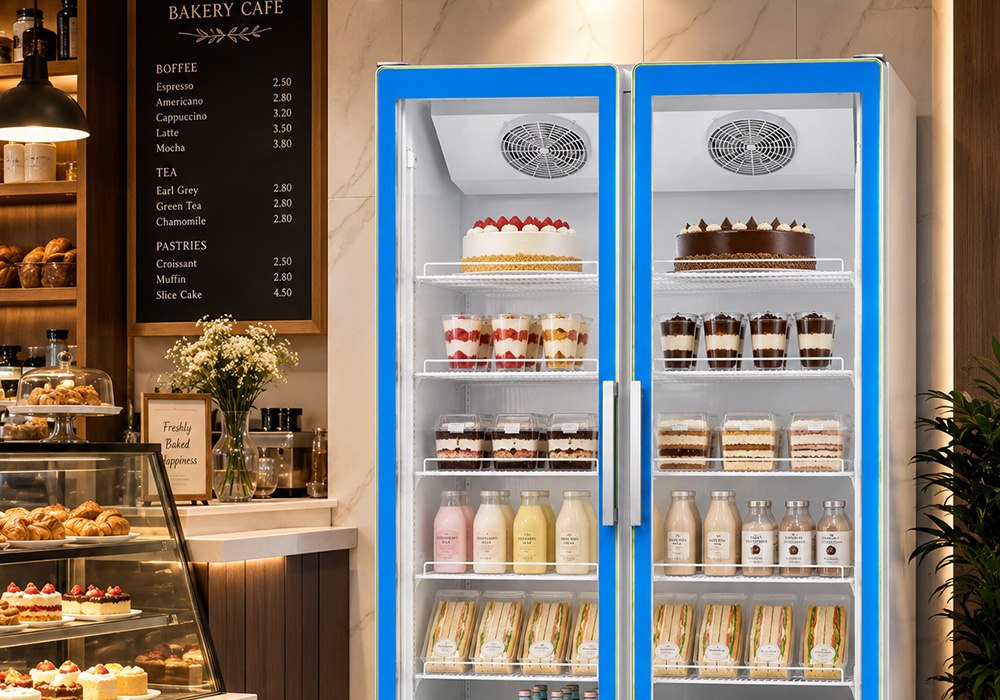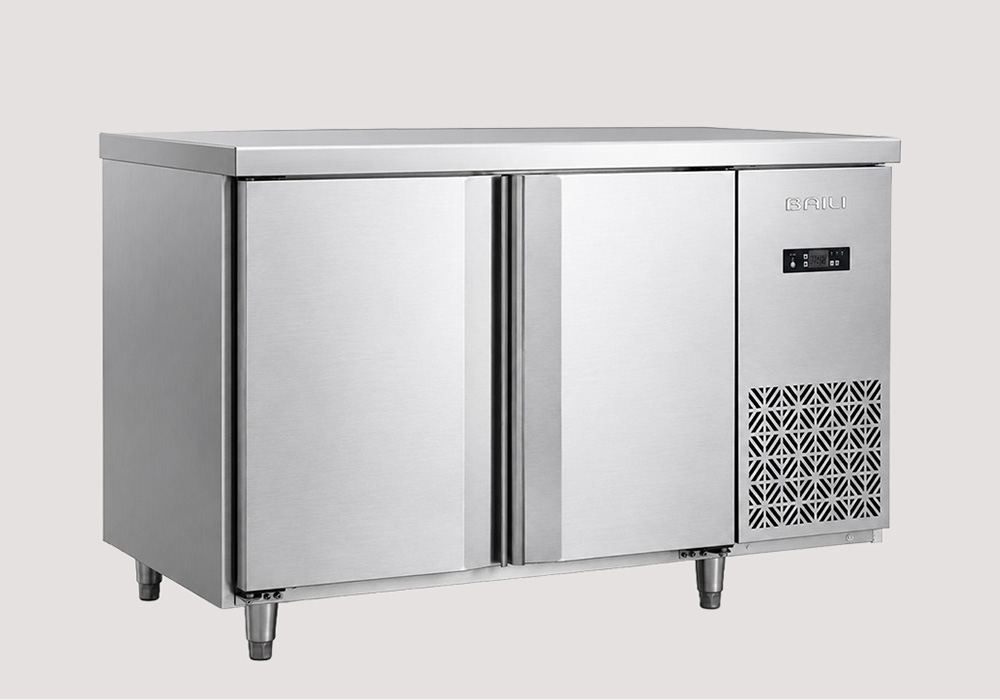
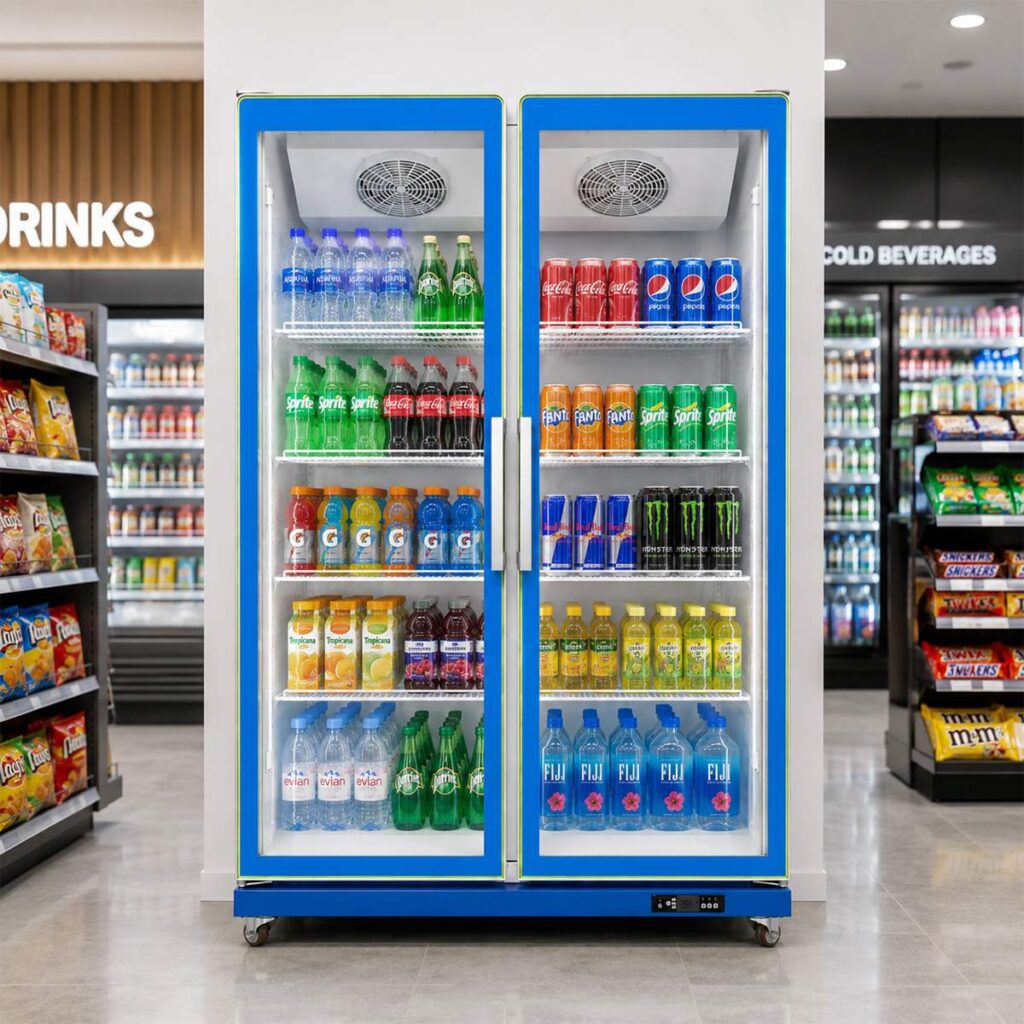
Milk turns bitter, grains get infested with insects, dried shrimp tastes bad… In the sweltering summer, everything goes haywire, and many foods that can normally be stored at room temperature begin to spoil. Here’s a reminder: the following foods are best refrigerated in the summer.
Green Tea: Tea leaves have a low moisture content and are usually fine to store in a cool, well-ventilated place. However, high temperatures accelerate the degradation of chlorophyll in green tea, and strong light causes photochemical reactions in the plant pigments and lipids, producing an off-flavor. If green tea gets damp, it will spoil even faster and may even mold. Therefore, in summer, it’s best to store green tea in an airtight container in the refrigerator. If you want to drink it frequently, you can put it in the refrigerator, but unopened tea leaves that you want to store for more than a year should be frozen.

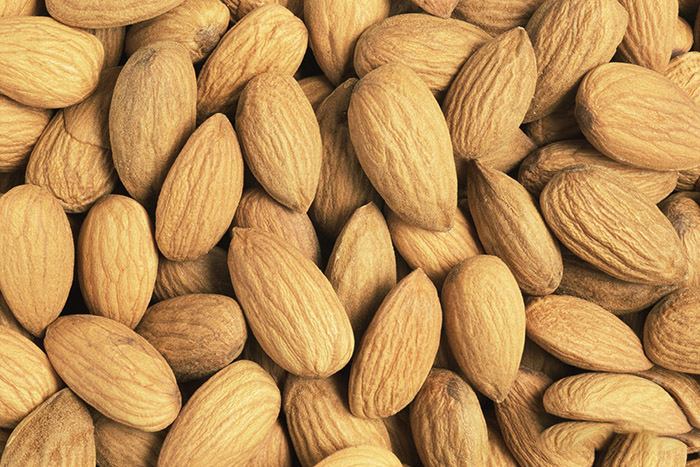
Nuts: Nuts have a high oil content. Under the influence of ultraviolet light, oxygen, and moisture, the fat will oxidize, leading to rancidity and a pungent, unpleasant smell, commonly known as “rancidity.” In addition, the humid summer weather makes nuts easily absorb moisture from the air, causing them to soften and even become susceptible to mold. After buying nuts, it’s recommended to divide them into portions that can be consumed in one go while they are still dry, seal them, and store them in the freezer.
Dried fruits, dried mushrooms, dried shrimp, and other dried products are prone to mold, insect infestation, or softening due to moisture absorption in the hot and humid summer. If you don’t finish them after opening the bag, it’s recommended to sun-dry them or heat them in the microwave to ensure that moisture is removed and insect eggs are killed. After cooling, divide them into sealed containers and store them in the refrigerator.
Grains such as rice and beans are also prone to insect infestation in summer. If you divide them into small portions that can be consumed in one go, seal them tightly, and freeze them for two to three weeks, insect eggs will not be able to germinate properly. Furthermore, consumers are advised to prioritize purchasing vacuum-packed grains, as corn and rice are favorites of mold, but mold is difficult to move under vacuum conditions.
Starchy foods such as steamed buns and bread. These types of foods can be left at room temperature if not finished in one meal. If stored for more than three days, they should be divided into individual portions in plastic bags, sealed tightly, and placed in the freezer. Reheat thoroughly before eating.
Soybean paste, sesame paste, and other similar sauces. Although sauces have high osmotic pressure, low free water content, and are less prone to microbial growth, allowing for temporary storage at room temperature, they will slowly undergo fat oxidation, resulting in a deterioration in flavor. If not consumed within two or three weeks of opening, it is best to refrigerate them for safety.
Guangdong Ligui Refrigeration Co., Ltd. has focused on the refrigeration industry for over 20 years. Follow us for more information on refrigerator usage!